


















For cross-border e-commerce purchasing agents, maintaining consistent product quality is paramount. The Sugargoo spreadsheet emerges as a central tool for standardizing Quality Control (QC) workflows, enabling agents to establish uniform inspection protocols. This systematic approach not only streamlines operations but also significantly enhances client trust by minimizing post-purchase disputes.
Building a Standardized QC Template
At the core of this system lies the ability to create detailed QC standard templates within the spreadsheet. Agents can define specific inspection points for different product categories, moving beyond subjective assessments to a data-driven checklist. For instance:
- Apparel Items: Focus on accurate sizing verification, fabric composition checks, and scrutiny of stitching and seams.
- Cosmetics & Skincare: Prioritize examination of original packaging integrity, clear expiry/manufacturing dates, and unbroken seals to ensure product safety and authenticity.
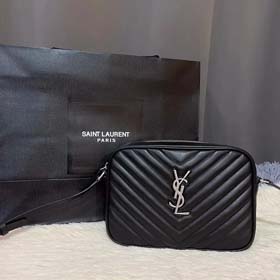
- Bags, Bags, and Leather Goods: This category requires meticulous checks for material quality (e.g., genuine leather, canvas durability), hardware functionality (zippers, clasps), and structural load-bearing capacity.
Implementing a Clear Scoring & Resolution System
The spreadsheet facilitates a transparent QC scoring system, typically categorizing items as Excellent, Pass, or Fail. Each rating can be linked to predefined action protocols. When an item is marked as Fail, the agent can instantly log the required resolution—be it arranging a return to the supplier, requesting an exchange, or negotiating a partial refund for the end-client. This creates a clear audit trail for every item handled.
Data-Driven Supplier Management
One of the most powerful features is the ability to track and analyze supplier performance. By logging QC results per supplier within the spreadsheet, agents can generate calculated QC pass rates. This data reveals which suppliers consistently provide high-quality Bags and other goods, and which ones are sources of frequent defects. Over time, this intelligence allows agents to make informed strategic decisions, deepening partnerships with reliable suppliers and reconsidering ties with underperforming ones, thereby optimizing their sourcing strategy.
Benefits of a Standardized QC Workflow
Adopting this structured method via the Sugargoo spreadsheet translates into tangible business advantages. It drastically reduces after-sales conflicts by catching issues before shipment. Furthermore, it builds a reputation for reliability and professionalism, significantly boosting client confidence in the agent's services. In the competitive world of cross-border purchasing, this standardized, transparent QC process is not just an operational tool—it's a key trust-building asset.