
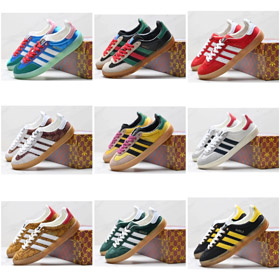
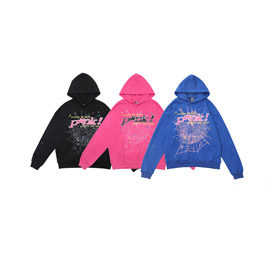
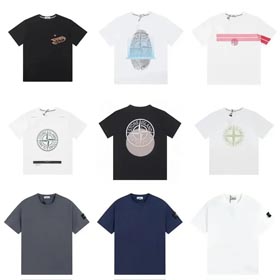

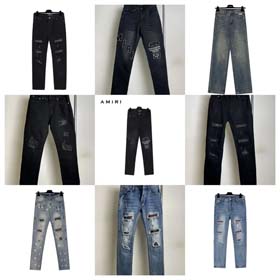
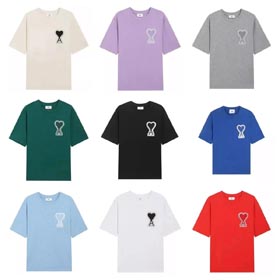
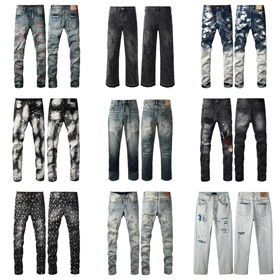


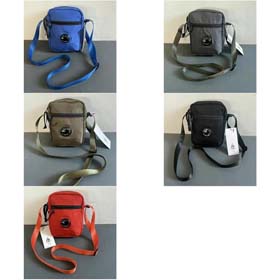




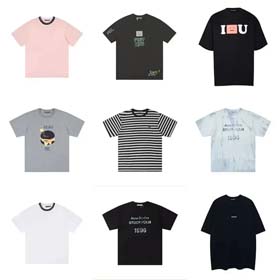
In the fast-paced world of cross-border ecommerce and dropshipping, staying ahead of fashion trends isn't just an advantage—it's a necessity for success. This is where the Joyagoo spreadsheet emerges as an indispensable tool for serious dropshippers specializing in accessories. While the platform offers wide variety, it can be challenging to manually track what's trending globally and what items deliver actual sales. A dedicated spreadsheet designed for accessories tracking solves this problem systematically.
Think of it as your central command center for Joyagoo accessories fashion intelligence. By maintaining organized data on emerging patterns, you transform from a reactive purchaser into a proactive trend forecaster. The most successful dropshippers use data-driven approaches rather than gut feelings, and this methodology provides exactly that foundation.
How the Joyagoo Trend Spreadsheet Works
The power lies in its structured columns. You'll typically track several key categories, creating a complete ecosystem of market awareness. The Trending Styles column documents what's appearing on international runways and fashion weeks, from Paris to New York. The Popular Elements section breaks down specifics—are pearls, oversized chains, or geometric shapes dominating this season? Meanwhile, the Sales Data & Customer Feedback columns provide the commercial reality check. This balance between runway inspiration and market validation is crucial.
Beyond simple recording, smart dropshippers use the sheet for connection-making. Notice that a certain embellishment style trending in the Popular Elements column is receiving rave reviews in the Customer Feedback for one product? That's a strong signal to source more items featuring that element. Similarly, consistent data across social media buzz and sales performance confirms a trend with staying power versus a fleeting fad.
From Runway to Revenue: Practical Application
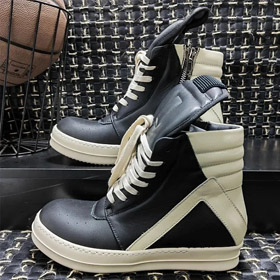
Let's consider a real-world example. This season, Jackets, jackets adorned with metallic hardware and chain details made significant appearances across Milan and Seoul Fashion Week. You enter this in your Joyagoo spreadsheet's Trending Styles. Simultaneously, overseas Instagram and TikTok influencers are featuring similar aesthetic statements in handbags and necklaces. You note the recurring 'hardware' element. Next, you check your data: recent Joyagoo accessory orders featuring chunky chains showed a 40% faster sell-through rate and positive reviews mentioning "edgy style."
Your Purchasing Suggestions column now has a clear, data-backed entry: prioritize sourcing Joyagoo accessory items (belts, earrings, bags) that incorporate chunky metal chains and hardware details, as this aligns with a verified cross-category trend. You can then contact suppliers or browse new arrivals with precise criteria, dramatically increasing your purchase efficiency.
Benefits of Systematic Trend Tracking
Implementation yields measurable improvements. Increased conversion rates occur because you're offering what customers actively seek, not just what's available. Your marketing content gains authority because you can discuss trends confidently. Your inventory velocity improves, reducing capital tied up in slow-moving items. Perhaps most importantly, it builds customer trust. When clients repeatedly find that your offerings feel current and fashionable, they stop browsing elsewhere.
The system also mitigates risk. The sales data prevents you from over-investing in trends that look good on a celebrity but don't translate to mainstream purchases. You learn which trends perform best for your specific customer demographic, allowing for refined targeting.
Optimizing Your Spreadsheet Strategy
For optimal results, treat your spreadsheet as a living document. Schedule weekly reviews to update trend columns from your designated sources. Create data-validation rules for sales figures to maintain accuracy. Use conditional formatting to highlight top-performing styles or items requiring restock. A simple setup might include tracking 5-7 key styles, 3 -4 core fashion elements, and monthly sales comparisons to visualize growth directly attributable to trend-aligned purchases. This proactive approach transforms simple data entry into a key business strategy.
Ultimately, the Joyagoo accessories spreadsheet is more than an organizational tool; it's a competitive framework for scalable growth in the demanding cross-border ecommerce space. By linking visual trends from global runways with commercial data from your actual sales, you build a resilient, adaptable business model ready for whatever the next fashion season brings.