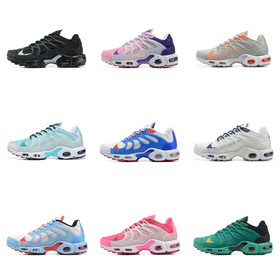
Since its launch in 1982, Nike Air Force 1 has transcended its athletic roots to become a cultural phenomenon cherished by Cnfans. Designed by Bruce Kilgore, it pioneered Nike Air’s inert gas cushioning technology, boosting shock absorption by 30% and resilience by 20%—a game-changer for basketball players who once relied on multiple socks to ease impacts . Its innovative circular outsole, tailored for pivot movements, and heel-reduced collar (inspired by hiking boots) enhanced agility while protecting Achilles tendons .
For Chinese fans, the AF1 is more than footwear—it’s a symbol of youth and individuality. Since Nike entered China in the 1980s, the shoe has intertwined with basketball’s rise and hip-hop culture, becoming a staple in campuses, streets, and courts . The iconic all-white "Xiaobai" version remains a wardrobe essential, celebrated for its versatility in styling . Collaborations like the 2008 1WORLD series and Chinese New Year editions (e.g., Year of the Horse) have fueled collector enthusiasm, with limited releases often selling out instantly .
Cnfans also value the AF1’s timeless yet adaptive nature. Modern iterations retain classic elements—perforated toes, padded collars, and Air cushioning—while incorporating sustainable materials like Crater foam and Flyknit . Detailed touches, from embroidered Chinese characters to cultural motifs, resonate deeply with local audiences . As sneaker culture thrives in China, the Air Force 1 remains a bridge between performance heritage and contemporary style, uniting fans through shared appreciation for innovation and legacy.