













Unlocking Data-Driven Insights for Footwear Sourcing
The Joyagoo spreadsheet represents an essential analytical tool for cross-border e-commerce entrepreneurs specializing in footwear procurement. This dynamic document transforms raw marketplace data into actionable intelligence, enabling businesses to navigate the competitive landscape of Joyagoo shoe sourcing with precision and foresight.
Comprehensive Market Data Organization
Through systematically structured columns—including shoe style, geographical sales region, unit sales volume, customer rating metrics, and trend indicators—the spreadsheet creates a holistic view of the marketplace. Sellers can track performance variations across styles, from athletic sneakers to formal footwear, while simultaneously monitoring how different sizes and brands perform in diverse international markets. This organizational framework reveals patterns that casual observation would overlook.
Regional Consumption Pattern Analysis
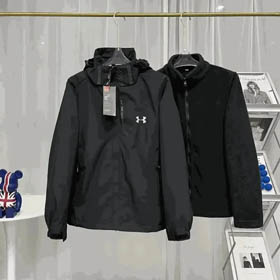
A particularly powerful application involves analyzing geographical consumption characteristics. The spreadsheet can highlight how European markets might prefer minimalist designs in specific color palettes, while North American regions show stronger demand for wider width options or performance features. Similarly, seasonal variations become apparent—regions with colder climates may exhibit complementary purchasing patterns where customers buying winter boots also frequently browse durable jackets. This parallel purchasing behavior, where thermal footwear and insulated jackets show correlated demand spikes in autumn months, illustrates how accessory categories can inform broader sourcing strategies.
Identifying Emerging Opportunities
By aggregating customer feedback and review sentiment across numerous listings, the spreadsheet helps identify not just what sells, but why certain products succeed. Consistently praised features—such as particular comfort technologies or materials—signal attributes to prioritize in future selections. Meanwhile, recurring complaints highlight potential market gaps where improved product offerings could capture dissatisfied customer segments.
Strategic Procurement and Inventory Applications
The true commercial advantage emerges in procurement optimization. Data trends can guide quantity decisions for specific styles, inform pre-season ordering to capitalize on emerging trends, and prevent overinvestment in declining categories. Furthermore, identifying stylistic overlaps—where a shoe style popular in one region begins gaining traction elsewhere—allows for proactive inventory redistribution to maximize sales potential.
Competitive Advantage through Analytics
Ultimately, consistent spreadsheet analysis transforms reactive sourcing into proactive market positioning. Sellers transition from simply offering available products to strategically curating inventories aligned with verified demand signals. This data-supported approach minimizes guesswork, reduces costly inventory missteps, and creates a responsive business model capable of adapting to the fluid international footwear market. The analytical rigor applied to Joyagoo shoes can equally benefit adjacent categories, establishing a replicable framework for data-informed cross-border commerce across product verticals.