Kakobuy Spreadsheet

In the fast-paced world of cross-border e-commerce, agents and resellers are constantly seeking tools to sharpen their competitive edge. For those specializing in Pingubuy T-shirts, mastering print selection is crucial to driving sales and staying ahead of trends. One often-underutilized tool has emerged as a cornerstone for success: the Pingubuy spreadsheet. Far more than a simple inventory list, a well-structured spreadsheet serves as a dynamic dashboard for data-driven decision-making, enabling precise print style analysis and targeted customer outreach.
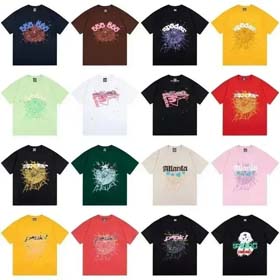
At its core, the Pingubuy spreadsheet allows agents to create a dedicated T-shirt print trend analysis section. Here, critical metrics like search volume, sales data, and customer reviews for different print styles—from vintage cartoons to minimalist typography—can be systematically logged. This centralized data hub transforms subjective guesses into objective insights. By setting up trend forecasting formulas based on historical performance, agents can project which prints are likely to gain popularity. For instance, observing a steady climb in searches for retro cartoon prints can signal an opportunity to increase procurement proactively. Similarly, noting the consistent sales of simple lettering designs may justify classifying them as reliable staple items. This proactive approach minimizes overstock risks and capitalizes on emerging trends before they peak.
Beyond tracking sales and searches, the true power of the Pingubuy spreadsheet lies in its ability to segment customer preferences. Agents can append columns to record demographic or behavioral data associated with each print style’s buyers. Analysis might reveal that vibrant cartoon prints resonate strongly with a younger, trend-conscious audience, while sleek, minimalist designs appeal more to professional or workplace customers. With these insights, marketing efforts can be finely tuned—social media campaigns featuring playful prints can target younger demographics, while polished email newsletters highlighting sophisticated styles can engage career-focused clients. This level of personalization enhances customer engagement and boosts conversion rates for T-shirt offerings.
Importantly, the organizational logic of a Pingubuy spreadsheet is not limited to apparel. The same principles of trend tracking, data logging, and customer segmentation apply seamlessly to related product categories such as custom bags and bulk bags. An agent might track which print patterns or colors on T-shirts correlate with demand for matching or complementary bags, creating opportunities for curated bundles or cross-promotions. By integrating data across categories, agents can build a more holistic and profitable product portfolio.
For optimal SEO and user engagement, content should address common practitioner queries like ‘how to predict print trends’ or ‘tools for sourcing Pingubuy products.’ Structuring spreadsheet data with clear, actionable labels and regularly updating it ensures that insights remain relevant. Ultimately, leveraging a Pingubuy spreadsheet as a central analytical tool empowers cross-border e-commerce agents to make smarter, faster decisions—transforming raw data into a strategic asset for growing T-shirt sales and expanding into complementary items like promotional bags.
spreadsheet.pl Legal Disclaimer: Our platform functions exclusively as an information resource, with no direct involvement in sales or commercial activities. We operate independently and have no official affiliation with any other websites or brands mentioned. Our sole purpose is to assist users in discovering products listed on other Spreadsheet platforms. For copyright matters or business collaboration, please reach out to us. Important Notice: spreadsheet.pl operates independently and maintains no partnerships or associations with Weidian.com, Taobao.com, 1688.com, tmall.com, or any other e-commerce platforms. We do not assume responsibility for content hosted on external websites.