
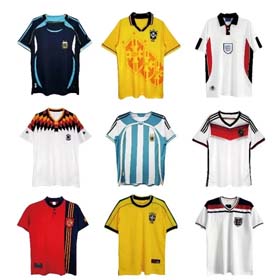

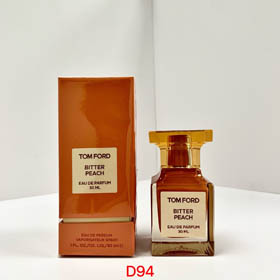
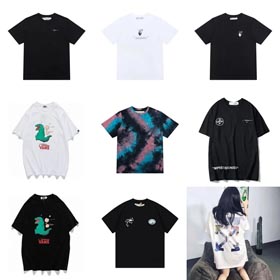
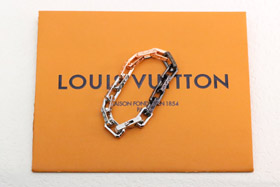
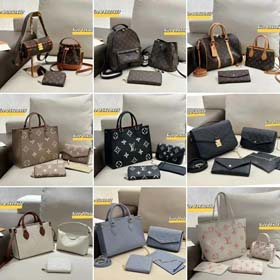
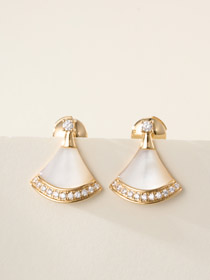

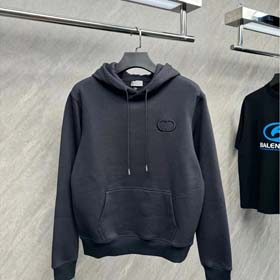
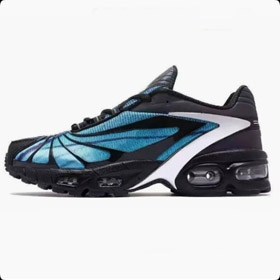


In the fast-paced world of cross-border e-commerce and fashion purchasing, organization is the key to scalability and customer satisfaction. For entrepreneurs specializing in accessories purchasing, efficiently managing a diverse inventory—from statement necklaces to everyday essentials like T-shirts and shorts—can be a daunting logistical challenge. This is where the Hoobuy Spreadsheet proves to be an indispensable core management tool. By integrating seamlessly with platforms like Hoobuy for sourcing, this system empowers resellers to handle the entire lifecycle of an accessories business with remarkable precision.
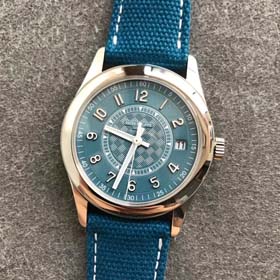
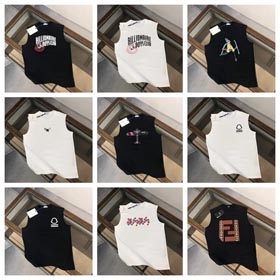
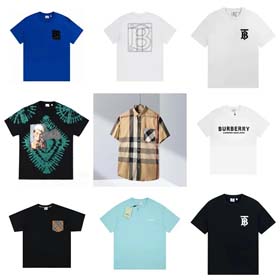
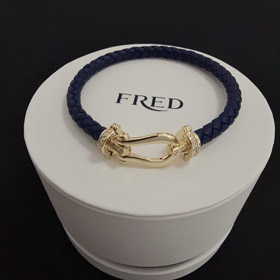
The foundational power of the Hoobuy spreadsheet lies in its structured, customizable categorization. Purchasers can create dedicated sections for every accessory type: necklaces, bracelets, earrings, hats, scarves, belts, and casual apparel categories like T-shirts and shorts. Each entry is more than just a name; it's a comprehensive data point. Critical specifications such as brand, style, material (e.g., sterling silver, brass, cotton), size, color, sourcing cost, and resale price are meticulously recorded. To enhance the customer experience directly from the backend, sellers can add detailed material descriptions and style notes highlighting the ideal 'occasion' or 'outfit pairing'. This practice ensures overseas clients receive thorough, transparent product information, building trust and reducing pre-purchase inquiries.
Beyond static inventory listing, the Hoobuy spreadsheet transforms into a dynamic business intelligence dashboard. For seasonal businesses like fashion purchasing, tracking sales data per category is crucial. The tool allows sellers to analyze trends: for instance, noting higher demand for scarves and hats in Autumn/Winter, while earrings and bracelets peak in Spring/Summer. Even sales of accessories paired with warm-weather staples like T-shirts and shorts can be tracked to inform complementary purchasing strategies. This data-driven approach enables proactive procurement, ensuring capital is allocated to high-demand items and preventing stockouts during key sales periods.
Operational efficiency is further supercharged with automated features. Setting up inventory alert thresholds means the spreadsheet automatically flags items needing replenishment, turning reactive scrambling into proactive supply chain management. Moreover, integrating Quality Control (QC) logs and post-sale issue tracking provides invaluable long-term insights. By recording which materials or item types have lower return or complaint rates—for example, noting that pure silver accessories have fewer oxidation issues than plated alternatives—sellers can refine their sourcing criteria. This leads to higher customer satisfaction, fewer losses from refunds, and a stronger brand reputation.
Ultimately, the Hoobuy spreadsheet is more than just a digital ledger. It's a centralized command center for the modern accessories purchasing entrepreneur. It brings order to product diversity, from delicate jewelry to casual T-shirts and shorts, provides actionable insights through sales analytics, and safeguards the business through smart inventory and quality controls. By adopting this detailed, systematic approach to management, cross-border resellers can significantly enhance their operational efficiency, scalability, and profitability in the competitive global fashion market.