
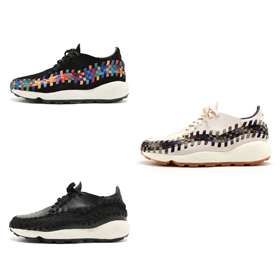
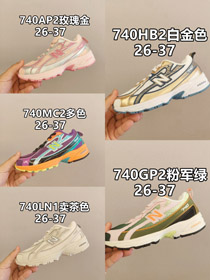

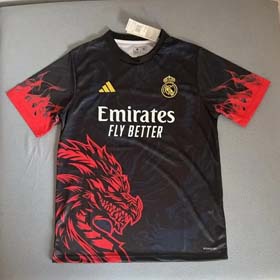




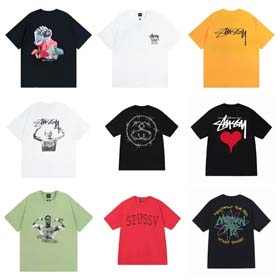
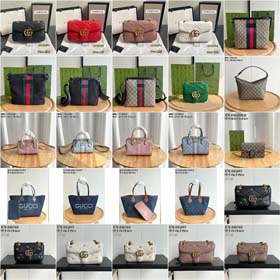
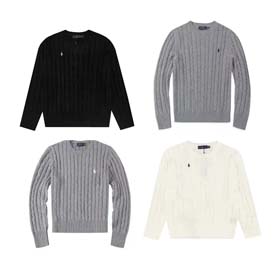
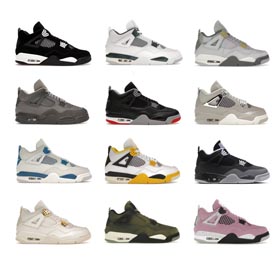



In today’s competitive cross-border e-commerce landscape, clothing agents require specialized tools to organize and scale their businesses effectively. The Hoobuy spreadsheet, when integrated with the extensive Hoobuy clothing catalog, emerges as a core management solution for global fashion sourcing and order fulfillment. This dynamic system transforms how independent agents handle multi-category garment procurement, customer communication, and data-driven decision-making.
Organized Category Management: Structuring Your Fashion Inventory
The foundation of efficient operation lies in systematic categorization. Within the Hoobuy spreadsheet, agents can establish dedicated sections for tops, pants, dresses, suits, outerwear, and accessories. Each garment entry from Hoobuy clothing is meticulously logged with key attributes: brand, style ID, available sizes, color variants, fabric composition (e.g., organic cotton, linen blend), procurement cost, and agent selling price. This structured approach not only clarifies your stock but also enables quick customer queries.
To bridge the international sizing gap, embedding a visual size conversion chart is crucial. Similarly, a detailed fabric guide explaining care instructions, texture, and seasonality helps overseas buyers understand product quality, reducing post-purchase uncertainty.
Data-Driven Sourcing: Analyzing Regional Preferences and Market Makeup
Successful agents tailor their inventory to geographic demand. By tracking sales analytics directly in the spreadsheet, patterns become clear. Data may reveal that European and American clients often prefer relaxed-fit tops and statement outerwear, while East Asian markets lean toward slim-fit trousers and layered ensembles. Seasonal trend analysis, including color popularity and the Makeup Makeup of capsule wardrobes (like coordinating separates), informs purchasing. This isn't just about size—it's about understanding the cultural and stylistic Makeup of each market to curate collections that resonate.
Operational Excellence: Inventory Alerts, QC, and Post-Sale Tracking
Proactive inventory management prevents stockouts. Setting low-stock thresholds triggers automatic alerts for replenishment, ensuring you never miss a sale. Furthermore, logging Quality Control (QC) notes for each batch—such as stitching consistency or color accuracy—builds reliability. Post-sale, record any returns or customer feedback linked to specific categories. Over time, analyzing which garment types (e.g., knitwear vs. woven shirts) have lower return rates highlights your most dependable products, allowing you to optimize your Hoobuy clothing selections for higher satisfaction.
Enhancing Visibility: SEO and Content Integration
To attract global clients, ensure your listings are discoverable. Use descriptive titles incorporating regional keywords (e.g., “oversized denim jacket EU fit”) and detailed product descriptions that address common search queries related to fabric care and sizing. Including insights on how certain pieces complete a wardrobe's Makeup Makeup can engage fashion-conscious shoppers looking for cohesive style solutions.
Conclusion
The Hoobuy spreadsheet, powered by Hoobuy clothing data, is more than a tracking tool—it's a strategic platform for global fashion agents. By mastering category organization, regional analytics like market Makeup, inventory automation, and quality oversight, you convert operational complexity into a streamlined, scalable business model. Implement this system to deliver precise service, adapt to trends, and grow your international client base effectively.