
















Building Consistency in Cross-Border Commerce: The Power of the Pandabuy QC Spreadsheet
In the fast-paced world of cross-border e-commerce, maintaining consistent product quality is a significant challenge. For professional buying agents, the Pandabuy spreadsheet has emerged as a cornerstone tool, transforming ad-hoc quality checks into a standardized, data-driven process. This system empowers agents to establish uniform inspection criteria, minimize errors, and cultivate long-term trust with their customers.
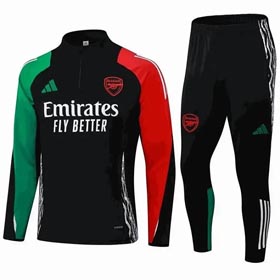
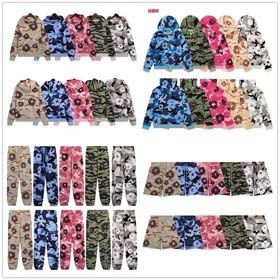
At its core, the spreadsheet serves as a central hub for a pre-defined QC (Quality Control) framework. Instead of relying on memory or vague guidelines, agents create detailed templates tailored to specific product categories. This ensures that every item, from apparel to electronics, is evaluated against the same critical benchmarks. For apparel, especially basics like T-shirt/shorts sets, the standard checkpoints would include exact sizing measurements, fabric composition and weight verification, color accuracy against listings, and a thorough inspection of stitching and seams. By specifying these details in a template, agents guarantee that every pair of T-shirt/shorts is held to the same standard before reaching the customer.
Crafting a Universal Grading System for Products
A key advantage of the spreadsheet is the ability to implement a clear scoring or grading protocol. Agents commonly categorize products as Excellent (meeting all specifications perfectly), Acceptable/Qualified (meeting core standards with minor, acceptable flaws), or Unqualified/Failed (failing to meet essential quality or description criteria). For each 'Unqualified' item, the spreadsheet then logs the corresponding resolution: return to the supplier, request for an exchange, or approval for a discounted sale with full disclosure to the end-client. This structured follow-up is crucial for inventory and financial management.
Leveraging Data to Make Smarter Sourcing Decisions
Beyond individual product checks, the true strategic power of the Pandabuy QC spreadsheet lies in its data aggregation capabilities. By consistently logging results, agents can generate performance reports for each supplier. These reports reveal critical metrics like the QC pass rate, the most common types of defects, and overall reliability. An agent might discover that while Supplier A offers lower prices for jackets, their QC failure rate is 25% due to inconsistent zipper quality. In contrast, Supplier B, with a 98% pass rate for T-shirt/shorts combos, proves to be a more reliable partner for basic apparel. This data-driven insight allows agents to objectively adjust their procurement strategy, prioritizing partnerships with suppliers who demonstrate consistent quality, thereby reducing future logistical headaches and costs associated with returns.
Building Trust Through Transparent, Standardized Processes
The ultimate goal of this standardized QC workflow is to enhance customer confidence and minimize post-sale disputes. When clients know that their buying agent employs a rigorous, documented inspection process, their trust in the service deepens. The spreadsheet acts as an internal safeguard, ensuring that only products meeting a professional standard are forwarded. This professionalism not only reduces the frequency of complaints and refunds but also solidifies the agent's reputation for reliability and attention to detail—key differentiators in a competitive market.
In conclusion, the Pandabuy spreadsheet is far more than a simple checklist; it is an essential operational framework for the modern buying agent. By facilitating standardized templates, objective product grading, systematic issue resolution, and insightful supplier analytics, it transforms quality control from a reactive task into a proactive strategy for business growth and customer loyalty.