












In the competitive world of cross-border e-commerce, specialized tools can mean the difference between profitability and stagnation. For resellers focusing on popular categories like Sugargoo jackets, mastering inventory management is non-negotiable. While platforms offer basic tracking, the real competitive edge comes from leveraging a dedicated Sugargoo spreadsheet. This powerful, customizable tool transforms how professionals handle their jacket business, enabling granular control over stock and data-driven decision-making.
The Core of Inventory Control: Your Sugargoo Spreadsheet Hub
The first step is to create a centralized inventory section within your spreadsheet dedicated to Sugargoo jackets. Here, each product entry should include critical data points: current stock levels, detailed size distribution (S, M, L, XL), seasonal classification (e.g., Winter Fleece, Spring Windbreaker), and, most importantly, its sales velocity. By inputting weekly or monthly sales figures, resellers can calculate a stock turnover rate for each jacket style. This metric, often calculated as Cost of Goods Sold / Average Inventory, becomes a key performance indicator (KPI), clearly revealing which jackets are fast-moving assets and which are tying up capital.
Automated Alerts for Optimal Stock Levels
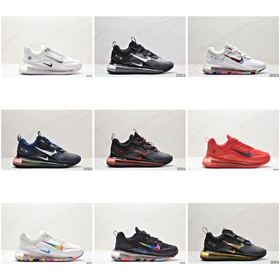
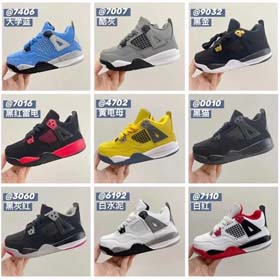
A static log is useful, but an intelligent spreadsheet is transformative. For high-demand, fast-selling jacket models identified by the turnover rate, set up automatic reorder alerts. Using simple formula-based rules, you can configure the sheet to flag items when inventory drops below a predefined safety threshold (e.g., 10 units). This trigger prompts immediate action to replenish stock with your Sugargoo agent, preventing lost sales. Conversely, for slow-moving or "stagnant inventory" jackets, the spreadsheet can be programmed to highlight items requiring promotional intervention. Setting a discount or clearance reminder after 60-90 days of minimal activity helps avoid costly inventory pile-up, freeing up warehouse space and cash flow. This proactive approach is equally vital for managing other fashion items, such as Shoes. A unified spreadsheet system allows for monitoring best-selling sneaker models and clearing out seasonal footwear before trends shift.
Forecasting Trends and Planning for Profit
Beyond day-to-day management, the Sugargoo spreadsheet excels as a forecasting engine. By logging historical sales data tagged by season, resellers can perform trend analysis. For instance, comparing the sales performance of quilted jackets versus lightweight bombers across fall quarters can reveal patterns. This analysis allows for predicting the next season's popular styles, materials, or colors. Armed with these insights, you can proactively source upcoming Sugargoo jackets that align with anticipated market demand. Smart pre-ordering based on data, not guesswork, significantly enhances inventory turnover and overall profitability. Integrating sales data for complementary products like Shoes can further refine these predictions, as footwear trends often align with broader apparel cycles.
Conclusion: Building a Data-Driven Reselling Business
Ultimately, treating your Sugargoo jacket venture like a data-centric business is the path to sustainable growth. A well-structured Sugargoo spreadsheet is more than a logbook; it's the central nervous system for your operation. It empowers you to optimize stock levels, automate critical tasks, minimize overstock risks, and make informed buying decisions. By embracing this level of organization—extending its principles to other categories like Shoes—you build a resilient, adaptable, and highly competitive cross-border e-commerce business.