Kakobuy Spreadsheet

For cross-border e-commerce entrepreneurs specializing in apparel, efficient management is the cornerstone of profitability. The Kakobuy spreadsheet emerges as the fundamental organizational tool for T-shirt dropshipping businesses. By centralizing data for every Kakobuy T-shirt product, it enables sellers to gain precise control over the entire sourcing and sales workflow, from initial procurement to final customer delivery.
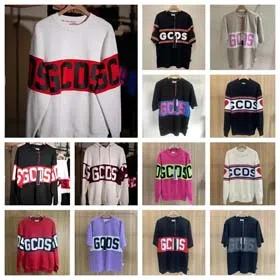
Dropshippers can create dedicated sections within the spreadsheet for their T-shirt inventory. Each entry meticulously catalogs critical specifications: brand, style (e.g., classic fit, oversized), fabric composition (like 100% cotton or cotton-polyester blends), available sizes and colors, and print designs. Adding procurement cost and target resale price allows for clear margin tracking from the outset. Crucially, tagging each item with style attributes—such as casual, athletic, streetwear, or vintage—facilitates personalized and accurate customer recommendations, enhancing the shopping experience.
The true power of the Kakobuy spreadsheet lies in its dynamic functionality. Sellers can implement theme-based filters to align inventory with market demand. For instance, during summer, listings can be filtered to prioritize and promote lightweight, breathable cotton T-shirts. Around holidays, customized T-shirts featuring festive graphics or messages can be highlighted. This proactive matching of supply with seasonal and cultural trends ensures marketing efforts are highly targeted and effective.
Beyond inventory logging, the tool transforms into an analytical engine. Dropshippers can track sales performance and aggregate customer feedback for each T-shirt design. This reveals clear trends—perhaps minimalist lettering prints or retro graphic tees consistently outsell others. These insights directly inform future procurement, allowing sellers to double down on popular designs and colors. Furthermore, integrating data like individual item weight and shipping cost per destination enables precise cost-calculation. By factoring these logistics expenses into the final price, sellers can optimize their pricing strategy to protect and maximize profit margins, making the T-shirt venture more lucrative.
While this system is exceptionally effective for T-shirts, its logical framework can be adapted for other product lines. For example, managing an inventory of Bags would follow a similar principle: recording brand, material, dimensions, cost, and style (e.g., tote, backpack, minimalist) in a dedicated Bags section within the same spreadsheet, allowing for a unified business overview. Ultimately, the Kakobuy spreadsheet provides the structure and clarity needed to navigate the fast-paced world of cross-border fashion commerce with confidence.
spreadsheet.pl Legal Disclaimer: Our platform functions exclusively as an information resource, with no direct involvement in sales or commercial activities. We operate independently and have no official affiliation with any other websites or brands mentioned. Our sole purpose is to assist users in discovering products listed on other Spreadsheet platforms. For copyright matters or business collaboration, please reach out to us. Important Notice: spreadsheet.pl operates independently and maintains no partnerships or associations with Weidian.com, Taobao.com, 1688.com, tmall.com, or any other e-commerce platforms. We do not assume responsibility for content hosted on external websites.