Kakobuy Spreadsheet

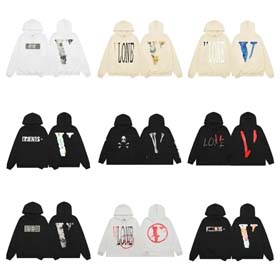
In the fast-paced world of cross-border e-commerce, organized data separates thriving businesses from struggling ones. For drop shippers specializing in custom apparel, the Pandabuy spreadsheet has emerged as an indispensable operational hub. This dynamic tool transforms chaotic product management into a streamlined process, particularly for T-shirt vendors seeking to dominate niches like vintage graphics or minimalist lettering.
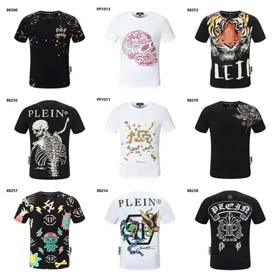
A well-structured Pandabuy spreadsheet allows sellers to dedicate entire sections to print trend analytics. By recording popularity fluctuations for specific designs – say, retro band logos versus abstract geometric patterns – drop shippers gain predictive insights. Implementing keyword filters for terms like “vintage print tees” or “minimalist text shirts” enables real-time monitoring of search demand. When data indicates a 15% weekly climb in searches for 90s-style graphics, proactive sellers instantly adjust their Pandabuy sourcing queues. This responsiveness turns trend spotting into revenue.
Meanwhile, adjacent product categories like Bags and backpacks often follow complementary trends. Savvy operators might notice that customers purchasing retro graphic tees frequently browse for matching canvas Bags. This cross-category insight can inform bundled promotions.
Beyond designs, material choice dramatically impacts customer satisfaction. Dedicated spreadsheet tabs for fabric feedback create a knowledge base for seasonal recommendations. Drop shippers can log reviews noting that pure cotton tees receive praise for breathability during spring, while ice silk blends are highlighted for summer coolness. By winter, tracked data might show a preference for brushed cotton or lightweight fleece options. This empirical approach moves vendors beyond guesswork, allowing them to stock Pandabuy inventories aligned with climatic demand cycles.
The most advanced Pandabuy spreadsheets incorporate client behavior tracking. When a customer repeatedly purchases anime-themed apparel, that preference is logged. Future arrivals of new anime print T-shirts can trigger personalized outreach – a strategy that boosts repeat sales. Similarly, notes on size preferences or color choices enable curated recommendations, making shoppers feel uniquely understood. This personal touch, powered by simple spreadsheet columns, builds loyalty in an impersonal digital marketplace.
While T-shirts might be the primary focus, the spreadsheet methodology extends to accessories. Data on print trends often predicts demand for matching items. A surge in tropical print tees, for example, might later influence sales of beach totes or drawstring Bags. By maintaining a holistic view, drop shippers can create coordinated collections, encouraging larger cart values.
Ultimately, the Pandabuy spreadsheet is more than a simple ledger. It's a strategic command center for T-shirt drop shippers. By systematically tracking print trends, fabric performance, and individual customer tastes, sellers transform raw data into a competitive edge. In the world of cross-border e-commerce, where trends fade quickly and customer expectations rise daily, this organized, data-driven approach isn't just helpful – it's essential for sustainable growth and outselling the competition.
spreadsheet.pl Legal Disclaimer: Our platform functions exclusively as an information resource, with no direct involvement in sales or commercial activities. We operate independently and have no official affiliation with any other websites or brands mentioned. Our sole purpose is to assist users in discovering products listed on other Spreadsheet platforms. For copyright matters or business collaboration, please reach out to us. Important Notice: spreadsheet.pl operates independently and maintains no partnerships or associations with Weidian.com, Taobao.com, 1688.com, tmall.com, or any other e-commerce platforms. We do not assume responsibility for content hosted on external websites.