Kakobuy Spreadsheet

In the fast-paced world of cross-border e-commerce sourcing, organization is the key to profitability and sustainability. For agents specializing in T-shirt procurement, particularly through platforms like Pandabuy, a well-structured spreadsheet is not just a tool; it's the central command center for the entire operation. An effective Pandabuy T-shirt spreadsheet allows agents to meticulously manage every step of the process, transforming chaotic sourcing into a streamlined, data-driven business.
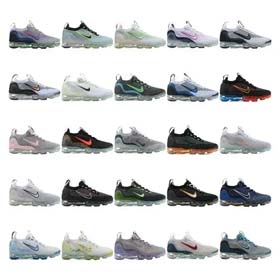
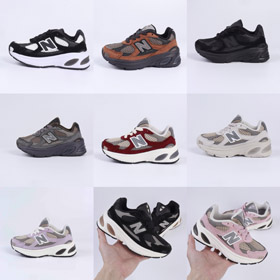
The foundation of a successful operation lies in detailed product tracking. Within your Pandabuy spreadsheet, create a dedicated T-shirt management section. Each entry should catalog critical information: brand, specific style, fabric composition (like 100% cotton or cotton-polyester blend), available sizes, color variants, and print design details. Going beyond basic specs, savvy agents also tag each item with style attributes—such as casual, athletic, streetwear, or minimalist. This categorization is invaluable for quick, personalized client recommendations. Similarly, organized management is beneficial for handling bulkier items like shoes, where tracking size runs, materials, and design variations is equally crucial for efficiency.
A static list is insufficient for a dynamic market. The true power of a spreadsheet is unlocked through its filtering and tagging capabilities. Agents can set up thematic filters to align inventory with seasonal and promotional cycles. For instance, during summer, you can instantly filter for breathable, pure cotton T-shirts to prioritize in marketing. Come the holiday season, a simple filter can surface all T-shirts with festive or customizable prints. This proactive matching of supply to anticipated demand ensures you always have the right products to push, maximizing sales opportunities. This data-driven approach mirrors best practices in other fashion niches, such as seasonal promotions for shoes or accessories.
The spreadsheet evolves into a powerful analytics tool as sales data flows in. Incorporate columns to log sales volume and aggregate customer feedback for each T-shirt design. This data reveals powerful insights: perhaps minimalist letter prints or retro graphic tees are consistently top sellers, while certain colors languish. This intelligence directly informs future procurement strategies, allowing you to double down on popular items and phase out underperformers. Furthermore, just as you would when sourcing shoes and calculating their shipping, accurately record each T-shirt's packaged weight and associated shipping cost in your spreadsheet. This enables precise cost calculations, factoring in product cost, Pandabuy service fees, and international logistics. With clear profit margins visible, you can optimize your pricing strategy to remain competitive while ensuring a healthy, scalable profit for your T-shirt sourcing business.
In conclusion, a meticulously maintained Pandabuy spreadsheet is the cornerstone of a professional T-shirt sourcing operation. It consolidates product management, market analysis, and financial planning into a single, actionable framework. By leveraging this tool to track trends, control costs, and respond agilely to the market, agents can build a reputable, profitable, and sustainable cross-border e-commerce venture, ensuring their catalog—from trendy T-shirts to sought-after shoes—is always aligned with what customers want.
spreadsheet.pl Legal Disclaimer: Our platform functions exclusively as an information resource, with no direct involvement in sales or commercial activities. We operate independently and have no official affiliation with any other websites or brands mentioned. Our sole purpose is to assist users in discovering products listed on other Spreadsheet platforms. For copyright matters or business collaboration, please reach out to us. Important Notice: spreadsheet.pl operates independently and maintains no partnerships or associations with Weidian.com, Taobao.com, 1688.com, tmall.com, or any other e-commerce platforms. We do not assume responsibility for content hosted on external websites.