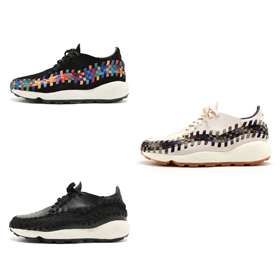
The story of Nike Air Max began in 1987 with the launch of the Air Max 1, a shoe that marked a seismic paradigm shift in athletic footwear design and redefined how consumers perceived sneaker technology. Its creator, Tinker Hatfield, was no stranger to challenging conventions—prior to joining Nike, he had trained as an architect, a background that would profoundly shape his approach to shoe design. The pivotal inspiration for the Air Max 1 struck during Hatfield’s visit to Paris’s Centre Pompidou, a revolutionary modern art museum where structural elements like pipes, ducts, and beams were intentionally exposed rather than hidden away. This architectural philosophy sparked a critical question in Hatfield’s mind: Why should the innovative technology inside a shoe—specifically Nike’s Air cushioning system, which had been quietly powering sneakers since its 1978 debut in the Nike Tailwind—remain concealed from view? This insight led Hatfield to develop the Air Max 1’s defining feature: the first-ever visible Air unit in the heel, encased in a transparent polyurethane window that allowed wearers to literally "see the comfort" they were stepping into. This bold, unconventional design not only set the Air Max line apart from every other athletic shoe on the market but also transformed a purely functional component into a distinctive style statement. Upon its release, the Air Max 1 was met with widespread acclaim: athletes praised its superior cushioning, while sneaker enthusiasts and fashion lovers were drawn to its unique aesthetic. It wasn’t just a shoe anymore—it was a declaration of innovation, a fusion of form and function that would lay the foundation for decades of Air Max evolution.
At the core of every Air Max shoe lies its innovative Air cushioning system, a technology that revolutionized athletic performance by reimagining how sneakers absorb impact. Developed initially by aerospace engineer Frank Rudy in collaboration with Nike, the Air cushioning system works by sealing pressurized air within a flexible, durable polyurethane membrane. When pressure is applied—whether from running, jumping, or walking—the air inside the unit compresses to absorb impact, then quickly rebounds to provide responsive support, significantly reducing strain on the feet, ankles, and knees during prolonged movement. Unlike conventional foam cushioning materials, which tend to break down and lose responsiveness over time, Air Max’s air units maintain their performance integrity for years, ensuring long-lasting comfort for both elite athletes and everyday wearers. Over the decades, Nike has continuously refined and expanded the Air Max line, leveraging technological advancements to enhance both performance and design. The Air Max 90, launched in 1990 (originally named Air Max III), built on the Air Max 1’s legacy with an enlarged Air unit boasting 270 psi of pressure—up from the Air Max 1’s 200 psi—delivering even greater shock absorption and support. The Air Max 97, introduced in 1997, marked another milestone with the first full-length visible Air unit, its wavy, metallic silhouette inspired by the high-speed bullet trains of Japan. More recent iterations have embraced sustainability, incorporating recycled materials like Flyknit uppers and recycled polyurethane in air units, aligning the line’s innovative spirit with modern environmental consciousness. Through every update, the Air Max line has stayed true to its core mission: merging uncompromising performance with iconic, instantly recognizable design.
Beyond its technical prowess, Nike Air Max has transcended the boundaries of sports to cement its status as a global cultural phenomenon, becoming a cornerstone of streetwear and youth culture. In the 1990s and 2000s, Air Max sneakers became a defining symbol of urban identity, adopted enthusiastically by hip-hop artists, skateboarders, and youth subcultures worldwide. Rappers like Jay-Z and Eminem referenced Air Max in their lyrics, while music videos and live performances frequently featured artists donning bold, limited-edition colorways—turning the shoes into a form of self-expression and status. The line’s distinctive silhouettes and vibrant color palettes made them the perfect canvas for creativity, with Nike capitalizing on this cultural momentum through high-profile collaborations and limited-edition releases. Iconic partnerships include collaborations with streetwear brands like Patta (known for their bold, earthy-toned Air Max 1s) and Atmos (famous for the "Safari" print Air Max 1), as well as artists and designers who reimagined the classic silhouettes. These releases consistently sparked global hype, with fans camping outside sneaker stores for days to get their hands on a pair, turning sneaker collecting into a dedicated subculture. Today, Air Max remains as relevant as ever: vintage editions from the 1980s and 1990s are highly coveted by collectors, often fetching premium prices on the resale market, while new models continue to blend classic design cues—like visible Air units—with contemporary trends such as minimalist aesthetics and sustainable materials. Its influence has even extended to high fashion, with Air Max sneakers appearing on runways for designers like Virgil Abloh’s Off-White, proving its unparalleled cross-cultural appeal and ability to bridge the gap between street style and high couture.
Nearly four decades after its debut, Nike Air Max endures as far more than just a sneaker—it is a powerful symbol of innovation, self-expression, and cross-generational connection. What began as a bold experiment in exposing shoe technology has evolved into a cultural touchstone that resonates with people from all walks of life. Air Max has redefined the very concept of athletic footwear, proving that a shoe can be both a high-performance tool for athletes and a work of art that reflects cultural values. It has inspired countless imitators, but none have matched its unique blend of technical excellence and cultural relevance. For athletes, it remains a trusted companion that enhances performance; for collectors, it is a tangible piece of sneaker history; for fashion lovers, it is a versatile staple that adds edge and personality to any outfit. As Nike continues to innovate—incorporating sustainable materials, refining cushioning technology, and collaborating with new voices—Air Max remains rooted in its legacy while embracing the future. It is a testament to the power of visionary design: a single shoe line that has not only revolutionized comfort but also shaped how we express ourselves through fashion, solidifying its place as a timeless icon in the world of sneakers and beyond.