









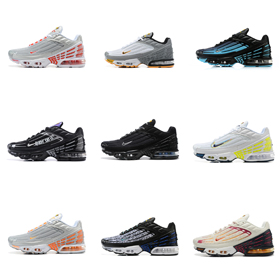

For cross-border e-commerce resellers specializing in Kakobuy shoes, achieving sustainable growth hinges on one often-overlooked tool: a meticulously organized Kakobuy spreadsheet. As the industry moves toward hyper-personalization, a tailored spreadsheet transforms from a simple record-keeping file into the central nervous system of a profitable footwear business. By implementing the strategies outlined below, forward-thinking resellers are projecting repurchase rate increases of 25-35% by 2025, turning casual buyers into loyal brand advocates.
The Core Module: Creating a Dynamic Client Footwear Profile
The foundation of repurchase success lies in deep customer understanding. Savvy resellers dedicate a primary section of their Kakobuy spreadsheet to individual client profiles. Each entry goes beyond basic contact information, capturing essential fit and preference data:
- Size & Fit Details: Precise sizing, width requirements, and arch type.
- Foot Morphology Notes Records of narrow heels, wide forefeet, or high insteps, enabling perfect match recommendations.
- Brand & Style Affinity: Logged preferences for specific brands (e.g., performance runners, retro sneakers) and colorways.
- Comprehensive Purchase History: A running log of every Kakobuy shoes transaction with date, model, and price.
Automation for Retention: The Repurchase Alert Engine
Manual follow-ups are inefficient. The modern Kakobuy spreadsheet integrates simple reminder functions or formulas that flag key repurchase opportunities. Resellers can set conditional alerts triggered by:
- New Model Launches: Automatic reminders when a client's previously purchased shoe model receives an update or new colorway for the 2025 collection.
- Price Drop & Promotion Alerts: Notifications when favorited items enter sale periods, enabling timely, persuasive outreach.
- Custom Repurchase Windows: Estimates based on product lifespan (e.g., reminding about replacement running shoes after 10 months).
This proactive system ensures the reseller consistently engages the client with relevant offers at the optimal moment.
Data-Driven Decision Making: Analyzing Brand Repurchase Rates
A strategic advantage of the Kakobuy spreadsheet is its analytical power. By aggregating data, resellers can calculate precise repurchase rates for each brand they carry. For instance, analysis might reveal that clients of "Brand X" show a 30% repurchase rate within 12 months, while "Brand Y" lags at 10%. This intelligence directly informs inventory strategy for 2025:
- Allocating more capital and marketing focus to high-loyalty brands.
- Re-negotiating terms with suppliers of top-performing brands.
- Investigating and potentially phasing out underperforming brands.
Leveraging Social Proof: Transforming Reviews into Marketing Copy
Client feedback is gold. A dedicated section in the spreadsheet for customer reviews and notes allows for systematic collection of authentic testimonials. Phrases like "exceptionally耐磨鞋底" (wear-resistant sole) or "highly透气鞋面" (breathable upper) are cataloged. These genuine, problem-solving phrases are then repurposed into powerful marketing copy for social media and product listings, attracting new clients by addressing their specific concerns through the voice of satisfied peers.
Conclusion: Building a 2025-Proof Repurchase Engine
The differentiated Kakobuy reseller of 2025 won't compete solely on price or selection, but on sophisticated customer lifecycle management. A well-structured Kakobuy spreadsheet facilitates this by centralizing client insight, automating touchpoints, providing actionable business intelligence, and fueling marketing efforts. By adopting this integrated approach, resellers systematically cultivate loyalty, directly boosting the repurchase rate that defines long-term success in the competitive world of cross-border sneaker and footwear commerce.