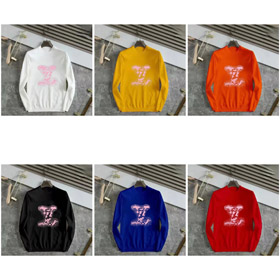
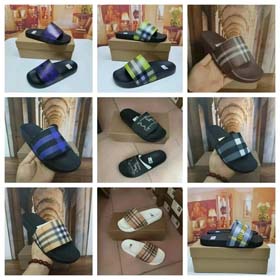
Kakobuy Spreadsheet

For modern cross-border clothing resellers, especially those operating in communities and channels on Telegram or similar platforms, organization is the key to scaling. The centerpiece of this organized system for many successful resellers is a Pandabuy spreadsheet. More than just a simple list, it functions as a dynamic central hub that manages the entire lifecycle of Pandabuy clothing orders, from sourcing to customer delivery. By leveraging the power of a well-structured spreadsheet, resellers can transform a chaotic buying-and-selling process into a streamlined, professional operation.
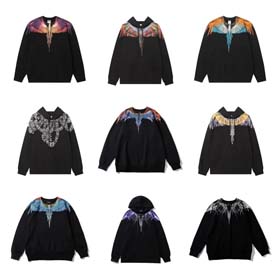
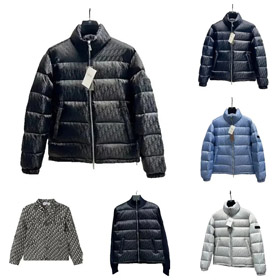
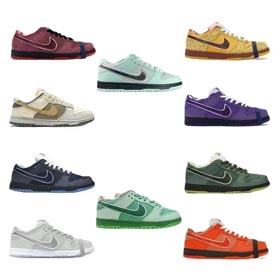
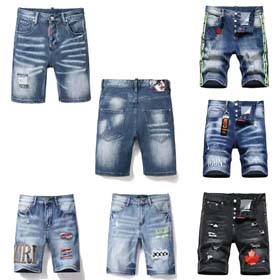
The first step is to create a master catalog that lists all your available Pandabuy clothing items. Logical organization is crucial. Create dedicated sections or tabs for different categories like Tops, Bottoms, Dresses, Outerwear, and Sets. For each item, record essential details such as brand or style name, available sizes and colors, fabric composition, and your landed cost. Crucially, also include a column for the resale price.
To build trust with overseas clients, expand your catalog with vital sizing information and fabric guides. Providing clear size charts (e.g., translating Asian sizes to US/EU/UK equivalents) drastically reduces customer confusion and post-purchase issues. Detailed fabric notes help customers understand the look and feel of an item before ordering via your Telegram group or storefront.
A static list of products is not enough. An advanced Pandabuy spreadsheet integrates sales analytics to inform smarter purchasing decisions. By tracking which categories, styles, and sizes sell best, you can spot clear geographic preferences. For instance, your data might reveal that US and European clients gravitate towards relaxed-fit sweaters and oversized hoodies, while customers in Japan and Korea show higher demand for tailored trousers and slim-fit jackets.
This actionable intelligence allows you to tailor your future shopping hauls on Pandabuy clothing supplier pages to match specific market demands, maximizing your sales potential and minimizing dead stock.
Lost sales and unhappy customers often stem from poor inventory management. Set up automated alerts within your spreadsheet so that you receive a notification when the stock level of any popular item drops below a pre-set minimum. This feature ensures you never miss a sale and can proactively restock your best-selling lines before they run out.
Beyond logistics, your sheet should also serve as a quality control (QC) and customer feedback log. Note any recurring issues for specific batches—such as color variance, sizing inconsistencies, or material flaws. Tracking post-purchase problems allows you to analyze which Pandabuy clothing suppliers or fabric types generate the fewest complaints. Sharing high QC-rated finds builds immense trust and credibility in your Telegram resale community, turning one-time buyers into loyal customers.
Ultimately, a meticulously managed Pandabuy spreadsheet is more than administrative overhead; it's a strategic asset. It empowers resellers to intelligently curate their Pandabuy clothing offerings, operate with logistical precision, and build a data-driven, customer-centric business. By systematizing every aspect of the operation, from the initial catalog shared on Telegram to the final QC log, resellers gain control, efficiency, and a powerful edge in the competitive world of cross-border fashion commerce.
spreadsheet.pl Legal Disclaimer: Our platform functions exclusively as an information resource, with no direct involvement in sales or commercial activities. We operate independently and have no official affiliation with any other websites or brands mentioned. Our sole purpose is to assist users in discovering products listed on other Spreadsheet platforms. For copyright matters or business collaboration, please reach out to us. Important Notice: spreadsheet.pl operates independently and maintains no partnerships or associations with Weidian.com, Taobao.com, 1688.com, tmall.com, or any other e-commerce platforms. We do not assume responsibility for content hosted on external websites.