





The Strategic Role of the PandaBuy Spreadsheet in Footwear Commerce
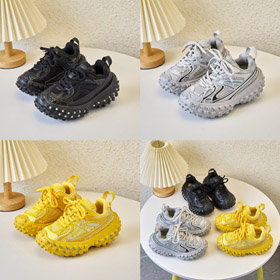
In the dynamic world of cross-border e-commerce, a well-structured PandaBuy spreadsheet has emerged as the foundational management tool for serious sneaker resellers. While powerful platforms like PandaBuy connect agents with global markets for footwear and related consumer goods—including items from an increasingly popular jewelry export business—the true operational engine is often a meticulously organized digital ledger. By creating a dedicated section within a master spreadsheet for all PandaBuy shoes, resellers can centralize control over every aspect of their operation, transforming chaotic manual tracking into a streamlined, data-driven system that mirrors professional retail back-ends.
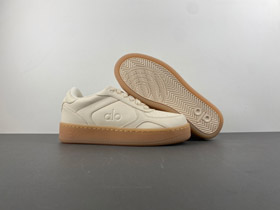
The first step is to construct a comprehensive product database. Each listed shoe item should have dedicated columns for its brand, specific model (e.g., ‘Dunk Low Retro’), available sizes, color variants, real-time stock status, landed procurement cost, and final resale price. This single source of truth prevents costly errors in orders and pricing. Crucially, integrating a regional size comparison chart is mandatory—converting US, EU, UK, and Asian sizes for clarity. This directly addresses a core pain point for overseas buyers and dramatically reduces returns stemming from size confusion.
Driving Data-Informed Sourcing Decisions and Quality Assurance
Beyond basic record-keeping, the spreadsheet’s analytical power shines. Sellers can create tabs to log and aggregate sales data for hot-ticket items. By tracking units sold per size per region, clear demand patterns emerge. Data might show that U.S. and European clients disproportionately order larger sizes, while markets in Southeast Asia prefer small to medium fits. This intelligence allows for strategic, forward-thinking procurement: agents can adjust their PandaBuy shoes orders, prioritizing high-demand sizes to optimize cash flow and inventory turnover.
Profitability hinges on accurately calculating landed costs. A dedicated column for average shoe weight allows the spreadsheet, via simple formulas, to auto-calculate estimated shipping and logistics fees per pair or per batch. Furthermore, the tool becomes vital for quality and reputation management. Resellers should document QC (Quality Check) notes—photo links, flaw descriptions, batch consistency—and collate customer feedback for each model in subsequent columns. Over time, this builds a reliable internal database revealing which suppliers and shoe models consistently deliver high quality and positive reviews, guiding future data-driven sourcing and marketing efforts. This principle of systematic tracking is equally vital for managing a varied catalog, be it exclusive footwear or goods from a supplementary jewelry export business.
From Shoe Boxes to Systems: Building a Scalable Export Operation
Ultimately, the PandaBuy spreadsheet is more than a list; it is the operational blueprint for a scalable cross-border enterprise. It replaces guesswork with historical data on everything from regional size preferences to packaging weight. By meticulously logging logistics weight records and customer sentiment, the business owner builds institutional knowledge and operational consistency. This data-centric approach brings a level of professionalism and efficiency to sneaker reselling that is essential for long-term growth. The same structured logic that organizes a sneaker inventory can be replicated to manage accessory categories, thereby establishing a robust framework not only for footwear but for expanding into complementary niches like a small-scale, high-margin jewelry export business. Embracing this tool is the definitive step for any agent aiming to transition from a casual side hustle to a managed, profitable global trade venture.